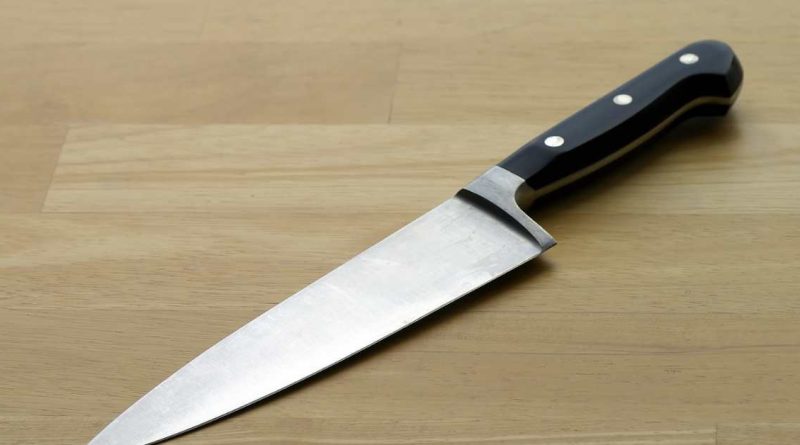
What is the best knife to fillet fish?
What Is the Best Knife to Fillet Fish for Clean and Precise Cuts
Filleting fish is a skill that requires both technique and the right tool. If you have ever struggled with tearing flesh or leaving too much meat on the bone, the problem is often the knife. Understanding what is the best knife to fillet fish can make a significant difference in your results, whether you are cooking at home or handling freshly caught fish.
A proper fillet knife is designed to glide smoothly along bones, separate flesh cleanly, and preserve as much meat as possible. Choosing the right one not only improves efficiency but also enhances the quality and presentation of your fillets.
Why Choosing the Right Fillet Knife Matters
Fish have delicate flesh and intricate bone structures, making them different from other proteins. A standard kitchen knife lacks the flexibility and precision required for filleting.
Using the best knife to fillet fish allows you to:
- Achieve clean, smooth cuts
- Reduce waste by maximizing usable meat
- Maintain the natural texture of the fish
- Work safely with better control
Without the right knife, even experienced cooks can struggle to produce consistent results.
Key Features of the Best Knife to Fillet Fish
To determine the best knife, it is important to understand the essential features that define a high-quality fillet knife.
Blade Flexibility
Flexibility is crucial for navigating around bones and skin. A flexible blade bends slightly, allowing for precise movements.
- Flexible blades: Ideal for small and delicate fish
- Medium flexibility: Suitable for general-purpose use
- Stiff blades: Better for larger, tougher fish
Blade Length
The size of the blade should match the size of the fish you are working with.
- 6–7 inches: Best for small fish like trout
- 7–9 inches: Versatile for most fish
- 9–11 inches: Ideal for large fish like salmon
Sharpness
A sharp blade ensures clean cuts without tearing the flesh. It also reduces the effort required, making the process safer and more efficient.
Narrow and Thin Blade
A narrow blade improves precision and allows for better control during detailed cuts.
Types of Knives Used to Fillet Fish
There are several types of knives that can be used for filleting, each with its own advantages.
Traditional Fillet Knife
This is the most common and widely used option. It features a long, thin, and flexible blade specifically designed for fish.
Advantages include:
- High precision
- Excellent flexibility
- Easy maneuverability
Electric Fillet Knife
Electric fillet knives are popular for handling large volumes of fish quickly.
Benefits include:
- Faster processing
- Consistent cutting motion
- Less physical effort
Boning Knife
A boning knife can be used for filleting larger fish. It offers more strength but less flexibility compared to traditional fillet knives.
Blade Materials and Their Impact
The material of the blade affects performance, durability, and maintenance.
High-Carbon Steel
- Extremely sharp
- Long-lasting edge
- Requires careful maintenance
Stainless Steel
- مقاومة للصدأ (rust-resistant)
- Easy to maintain
- Slightly less edge retention
Coated Blades
Some knives feature non-stick coatings, which help prevent fish from sticking to the blade during filleting.
Handle Design and Comfort
A comfortable handle is essential for maintaining control during filleting.
Ergonomic Shape
An ergonomic handle reduces fatigue and improves precision during extended use.
Non-Slip Grip
Handles made from rubber or textured materials provide a secure grip, even when wet.
Balance
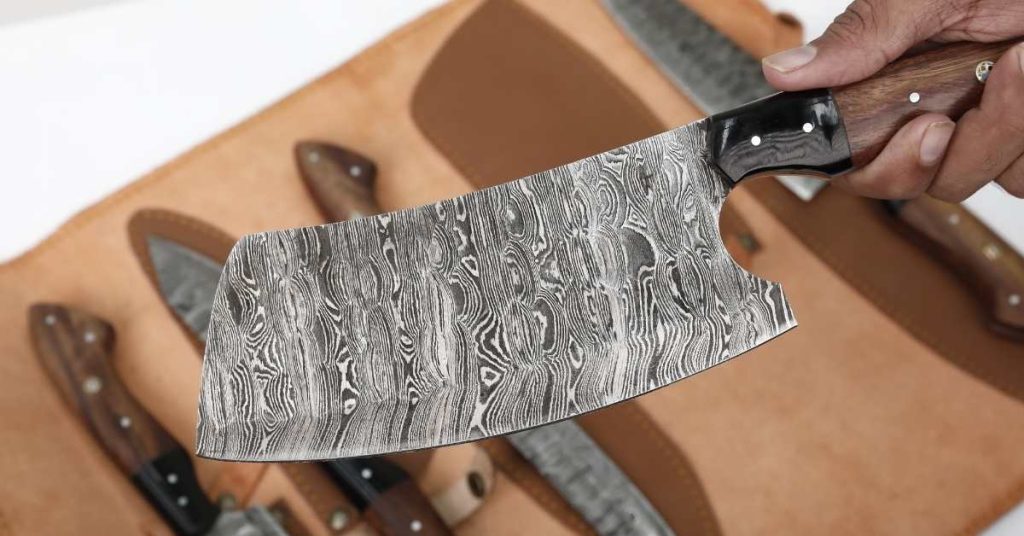
A well-balanced knife ensures smoother movements and better control.
Comparing Fillet Knife Types
| Knife Type | Flexibility | Speed | Precision | Best Use Case |
|---|---|---|---|---|
| Traditional Fillet | High | Medium | Excellent | Everyday filleting |
| Electric Fillet | Medium | High | Good | High-volume processing |
| Boning Knife | Low | Medium | Good | Large fish |
How to Choose the Best Knife Based on Fish Type
Different fish require different knives for optimal results.
Small Fish
For small fish like sardines or trout, a short, highly flexible blade is ideal.
Medium Fish
A medium-length fillet knife works well for fish like tilapia or snapper.
Large Fish
Larger fish require longer blades with slightly less flexibility for better control.
If you want expert recommendations tailored to specific fish types, this guide on the best knife to fillet fish provides detailed insights into top-performing options.
Proper Technique for Filleting Fish
Even the best knife will not deliver perfect results without proper technique.
Start with a Clean Cut
Begin behind the gills and cut down to the backbone.
Follow the Backbone
Use the flexibility of the knife to glide along the bones, keeping the blade as close as possible.
Separate the Fillet
Carefully lift the fillet while continuing to cut along the rib bones.
Remove the Skin
Place the fillet skin-side down and slide the knife between the flesh and skin.
Use Smooth Motions
Avoid sawing motions. Instead, use long, smooth strokes for cleaner cuts.
Maintenance Tips for Fillet Knives
Proper care ensures your knife remains effective and durable.
Regular Sharpening
Use a whetstone to maintain a razor-sharp edge.
Cleaning
Wash the knife by hand immediately after use to prevent corrosion.
Drying
Dry thoroughly to avoid rust, especially with high-carbon steel blades.
Storage
Store in a protective sheath or knife block to maintain the blade’s condition.
Common Mistakes to Avoid
Avoiding these mistakes can significantly improve your filleting results.
Using a Dull Knife
A dull blade tears the fish and makes the process harder.
Applying Too Much Pressure
Let the knife do the work. Excess pressure can damage the flesh.
Choosing the Wrong Blade Size
A blade that is too short or too long can reduce control and efficiency.
Ignoring Maintenance
Neglecting care reduces performance and shortens the lifespan of the knife.
Additional Factors to Consider Before Buying
When selecting a fillet knife, consider these additional aspects.
Budget
There are quality options available at different price points. Choose one that balances cost and performance.
Brand Quality
Reputable brands often provide better materials and craftsmanship.
Weight
A lightweight knife reduces fatigue and improves control.
Enhancing Your Filleting Skills with the Right Knife
Choosing what is the best knife to fillet fish is about more than just buying a tool. It is about improving your overall cooking experience and achieving better results with less effort.
If you are looking to upgrade your kitchen or fishing gear, this detailed resource on the best knife to fillet fish can help you find the perfect option for your needs.
With the right knife and proper technique, filleting fish becomes a smooth, efficient process that delivers clean, professional-quality results every time.